Spring Cleaning Checklist for San Antonio Homeowners

Everything goes smoothly until you suddenly open a drawer only to realize that your kitchen drawers have not seen the light of day in ages. You move the furniture and discover the dust underneath. You remember the baseboards, the blinds, the ceiling fans, and dozens of other places that you normally do not pay enough attention to during regular cleaning.
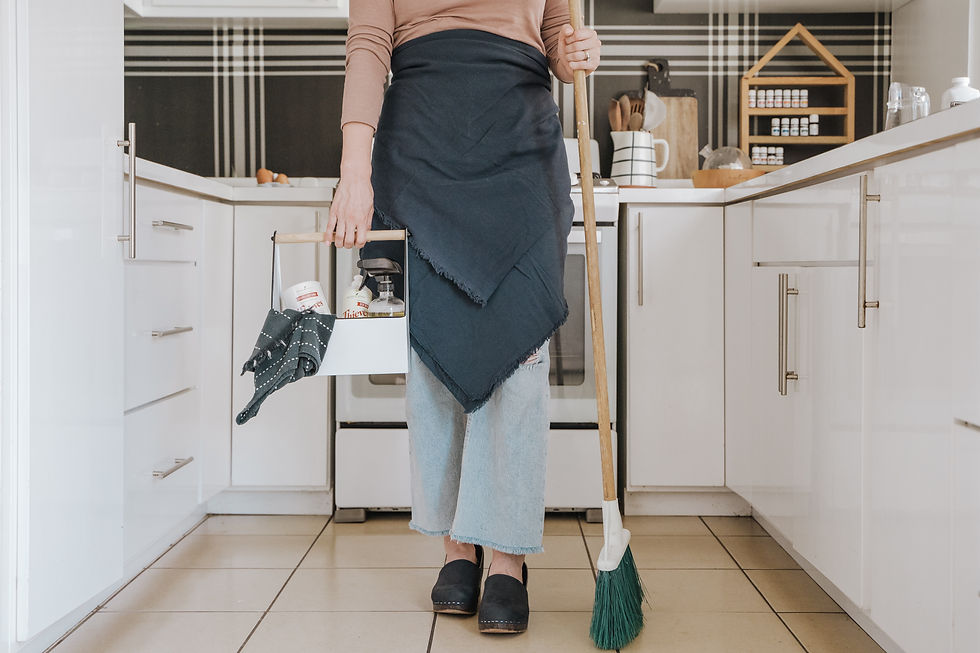
All of a sudden, you have an entire weekend of cleaning ahead of you.
Unlike regular cleaning, spring cleaning requires a bigger effort to address the areas that normally escape your notice.
As a San Antonio homeowner, you also want to get rid of the dust, pollen, pet hair, and other particles that tend to accumulate in your home throughout the year.
If you are considering a complete home refresh, be sure to explore our House Cleaning Services and Deep Cleaning Services while keeping this spring cleaning guide in mind.
Why should San Antonio homeowners consider spring cleaning?
San Antonio’s climate is characterized by warm weather, pollen, air conditioning, pets, and frequent foot traffic, among other things. As such, dust tends to accumulate faster than it usually would in other parts of the country.
Even in the best maintained homes, there are spots that require extra attention during spring cleaning.
By investing time and effort into the process, you will be able to address the hidden areas in your home and set the stage for future cleaning efforts.
Start with a plan
It is easy to get overwhelmed by the entire project and attempt to tackle everything at once. You start cleaning the kitchen only to remember the living room, and then you discover the mess in your garage, and so on.
Instead, think about one room or one project at a time. Set achievable goals to avoid getting discouraged by the size of the task.
For example, if your plan calls for cleaning the entire house in one day, break it into smaller tasks and spread them out across the week.
A realistic expectation will make the entire process less stressful.
Tackle the clutter first
You cannot dust and vacuum if the room is filled with old clothes and other items.
Set aside a box for donations and make a dent in the clutter before proceeding to vacuuming and dusting.
Remember to organize the closet as well.
The fewer items you have to move around, the better.
Clean from the top down
Dust falls from the top, so clean the upper shelves and surfaces first.
For example, start by cleaning the ceiling fans, then proceed to the high shelves and furniture, and finally, the baseboards and the floor.
In most cases, you will be able to follow this simple guide:
Ceiling fans
Light fixtures
High shelves
Furniture
Baseboards
Floor
Make sure that the ceiling fans get enough attention, as they tend to accumulate more dust than one would expect.
The rotating motion makes it challenging to clean the fans properly, so consider using a damp cloth.
Similarly, take special care when cleaning the blinds and window sills since they tend to attract dust and pollen, respectively.
Do not forget the baseboards
The baseboards are a popular spot for dust accumulation.
They are also among the hardest to reach areas in most homes.
Fortunately, you can eliminate the worst dust buildup with a simple damp cloth.
Regular cleaning will also help you ensure that the baseboards are always dust free.
The same attention and care should be devoted to the area around the furniture.
Take advantage of the opportunity to clean under the furniture
You may not be able to move the couch, but you can certainly shift side tables and other furniture to access the dust, crumbs, pet hair, toys, and other items that have been lying there for far too long.
The following spots are particularly useful:
Chairs
Side tables
Beds
Dressers
Bookshelves
Vacuuming will ensure that everything is spotless.
Refresh the living room
The living room is the center of most homes.
As such, it tends to accumulate the most dust, pet hair, and food particles.
Use this spring cleaning as an opportunity to dust the shelves, acuum under the furniture, wipe the tables, and clean the baseboards.
You should also consider dusting the electronics, organizing the pillows and blankets, and vacuuming the rugs.
Similarly, decluttering the living room will ensure that there is nothing unnecessary taking up space.
Deep clean the kitchen
The kitchen is the most challenging room to clean, so make sure to dedicate enough time and effort to it.
While regular cleaning will address the obvious mess, you will need to deep clean the counters, appliances, and other surfaces.
Pay special attention to the following surfaces:
Cabinet fronts
Drawer pulls
Appliance fronts
Microwave interior
Refrigerator shelves
Pantry shelves
Backsplash
Sink fixtures
Baseboards
Floor edges
Make sure to clean the areas around the stove, as they tend to accumulate grease.
Clean the refrigerator and the pantry
Spring cleaning is an ideal time to remove expired foods from the refrigerator while wiping the interior.
Start with one shelf and move to the next until the entire appliance is spotless.
Take the opportunity to empty the drawers and organize the condiments.
Throw away any unwanted items, and organize the remaining ones in the refrigerator.
You should do something similar in the pantry.
If possible, dedicate an entire day to the task since it can be quite involved.
As you go through the items, pay attention to the expiration dates and remove the unwanted ones.
Place the remaining items in their respective places on the shelves.
Clean the bathrooms
Bathrooms are some of the hardest areas to clean because of the combination of moisture, soap, hair, and extreme use.
Here are the problem areas in your bathrooms:
Showers
Tubs
Toilets
Sinks
Mirrors
Faucets
Baseboards
Cabinets
Vent fans
Floor edges
The areas around and behind the toilets typically require extra care, as do the showerheads and faucets.
Similarly, pay extra attention to the soap scum and other substances that tend to build up over time in the bathroom.
Refresh the bedrooms
The bedrooms need to be your personal haven, so think about the most apparent changes that you would like to make.
A typical bedroom cleaning checklist should include the following tasks:
Washing the bedding
Dusting the furniture
Cleaning under the furniture
Wiping the baseboards
Organizing the closet
Dusting the blinds
Vacuuming the rugs
Clearing the nightstands
Consider rotating or vacuuming the mattresses if the manufacturer guidelines permit.
By cleaning the dust and dirt, you will create a pleasant atmosphere in your bedroom.
Organize the closets
In most cases, you have more clothes and other items than you can possibly store in your closets.
As such, use this opportunity to get rid of the unwanted items by donating them.
Make sure to organize the remaining items while also cleaning the closet.
Vacuum or mop the floor as well to ensure that everything is spotless.
You can also use this process to organize your closet according to your needs.
Check the air vents and the filters
The vent covers tend to collect more visible dust than most other parts of the house.
Simply wipe the surface to get rid of the excess dust.
Additionally, you should also consider changing the air filter, depending on the frequency of use and the manufacturer’s recommendations.
The Environmental Protection Agency offers comprehensive guidelines concerning indoor air quality, dust, and other particles.
A clean filter will improve the indoor air quality, although it is not a substitute for regular cleaning.
Make a plan for the pet hair
Pets generate significant amounts of hair that tend to stick to almost every surface.
Pay extra attention to the following areas:
Under the furniture
The baseboards
Behind the doors
On the rugs
Around the pet beds
Inside the closets
The Asthma and Allergy Foundation of America offers useful information concerning pet dander and other allergens.
Vacuuming regularly, washing the pet bedding, and cleaning the high traffic areas should significantly reduce pet hair in your home.
Clean the entryway and the laundry area
The entryway tends to accumulate dirt, shoes, dust, and other particles.
As such, it is best to vacuum or sweep the floor, wipe the door, clean the baseboards, organize the shoes, and remove unnecessary items.
You can also wipe the handles and the light switches to get rid of germs and other contaminants.
The laundry room deserves equal attention, so be sure to clean the machines, mop or vacuum the floor, remove the unnecessary items, and organize the remaining ones.
A tidy laundry area will make doing laundry and cleaning much more accessible.
When the spring cleaning checklist is too long
Unfortunately, spring cleaning is not always as simple as following a straightforward guide.
Sometimes, it is challenging to get through one room before you realize that the entire house requires attention.
It starts with the kitchen and moves on to the bathrooms, bedrooms, blinds, furniture, baseboards, and dozens of other items.
Suddenly, you have one cleaning day that turned into two, if not more.
In such cases, you may want to consider professional cleaning services to address some of these issues for you.
Our Deep Cleaning Services offer the expertise required to handle some of the most challenging aspects of your spring cleaning.
That way, you can enjoy more free time for your family, errands, and even personal relaxation.
How does recurring cleaning fit into the entire process?
While spring cleaning sets the stage, recurring cleaning will help you maintain the desired standards.
In other words, you will have cleaner floors, easier bathroom cleaning, reduced dusting needs, and a more accessible kitchen area.
Essentially, you will find it much easier to maintain a clean home throughout the year.
A basic spring cleaning checklist
The following points will give you an idea of what your spring cleaning should entail:
Declutter all the rooms
Dust the ceiling fans
Clean the blinds
Wipe the window sills
Clean the baseboards
Move the furniture around
Vacuum under the furniture
Deep clean the bathrooms
Clean the kitchen cabinets
Organize the pantry
Clean the refrigerator
Dust the vent covers
Check the air filter
Wash the bedding
Organize the closets
Clean pet areas
Refresh the entryway
Clean the laundry area
Vacuum and mop the floors last
As you can see, there are numerous tasks involved in spring cleaning.
With that in mind, you can either complete everything in one day or spread it out through the week.
Additionally, you can choose to tackle one room at a time.
Final thoughts on the spring cleaning checklist
It is easy to overlook the hidden dust and mess when cleaning your home on a regular basis.
Fortunately, spring cleaning allows you to take a step back and dedicate enough time and effort to the entire project.
You will also be able to remove unwanted clutter, dust, grime, pet hair, and much more that have accumulated in your home throughout the year.
Remember that you do not have to complete everything in one day, so start with a simple checklist and focus on the most critical areas first.
Once all the hard work is done, our House Cleaning Services can help you maintain the standard of cleanliness throughout the year.


Comments